The Predictive Revolution: How Machine Learning(ML) is Shaping User Behavior in 2025

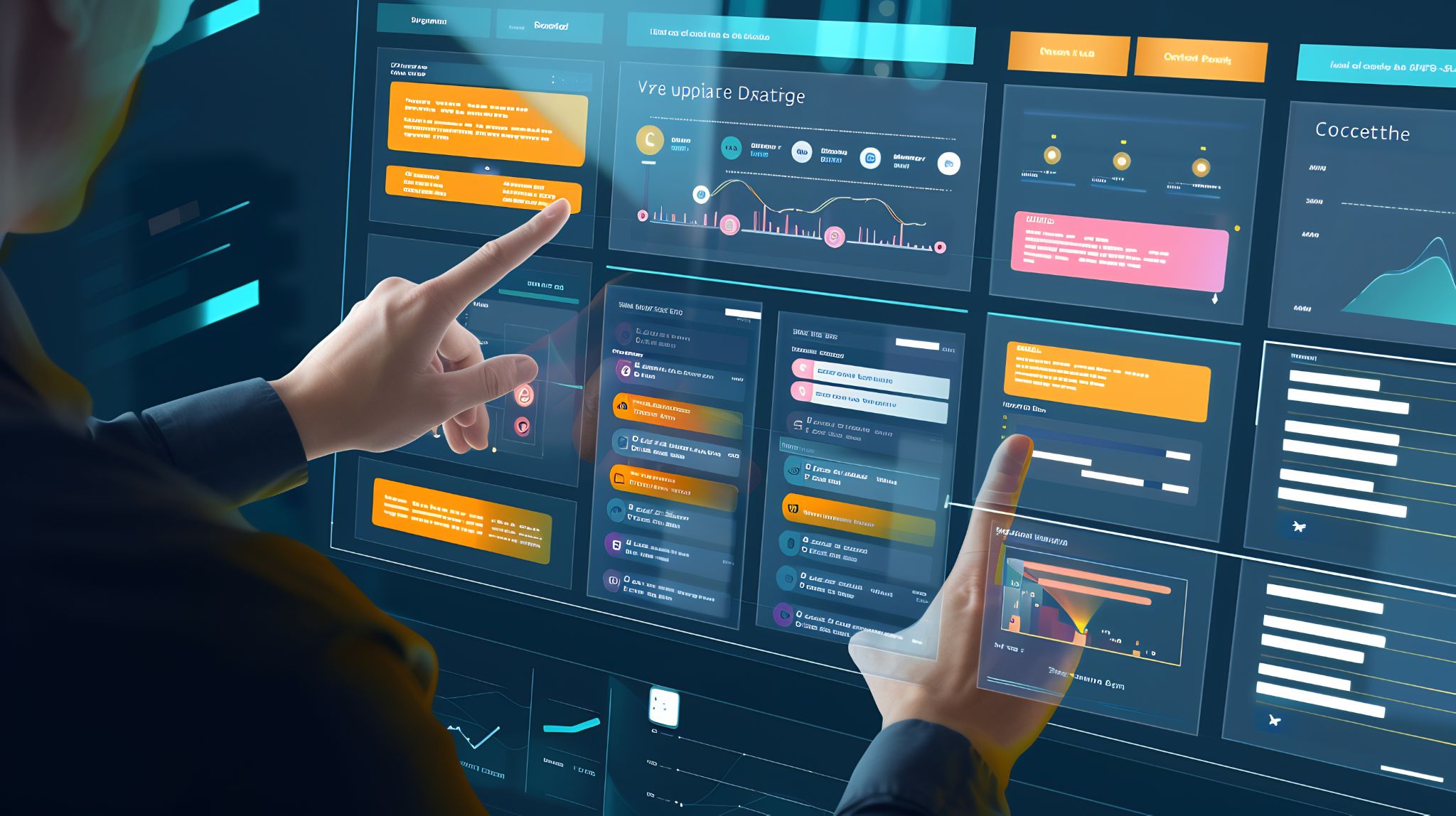
It’s no coincidence when an app delivers exactly what you’re looking for at the perfect moment. Behind the scenes, predictive machine learning is paired with thoughtful design to anticipate and enhance every click.
Let me ask you a question—how many times today have you clicked on a recommendation or suggestion, whether for a product, a song, or a piece of content? If you’ve lost count, that’s the subtle brilliance of predictive user behavior in action. It’s everywhere, and yet, it feels almost invisible. At the core of these hyper-personalized experiences is machine learning (ML), a driving force that’s rapidly transforming how businesses, designers, and marketers understand and predict what you, as a user, are likely to do next.
We’ve reached a fascinating moment where data, design, and human behavior merge in ways we could only dream of a decade ago. Predictive ML in UX has become the nerve center for building digital experiences that not only anticipate user needs but craft them before users even realize what they want.
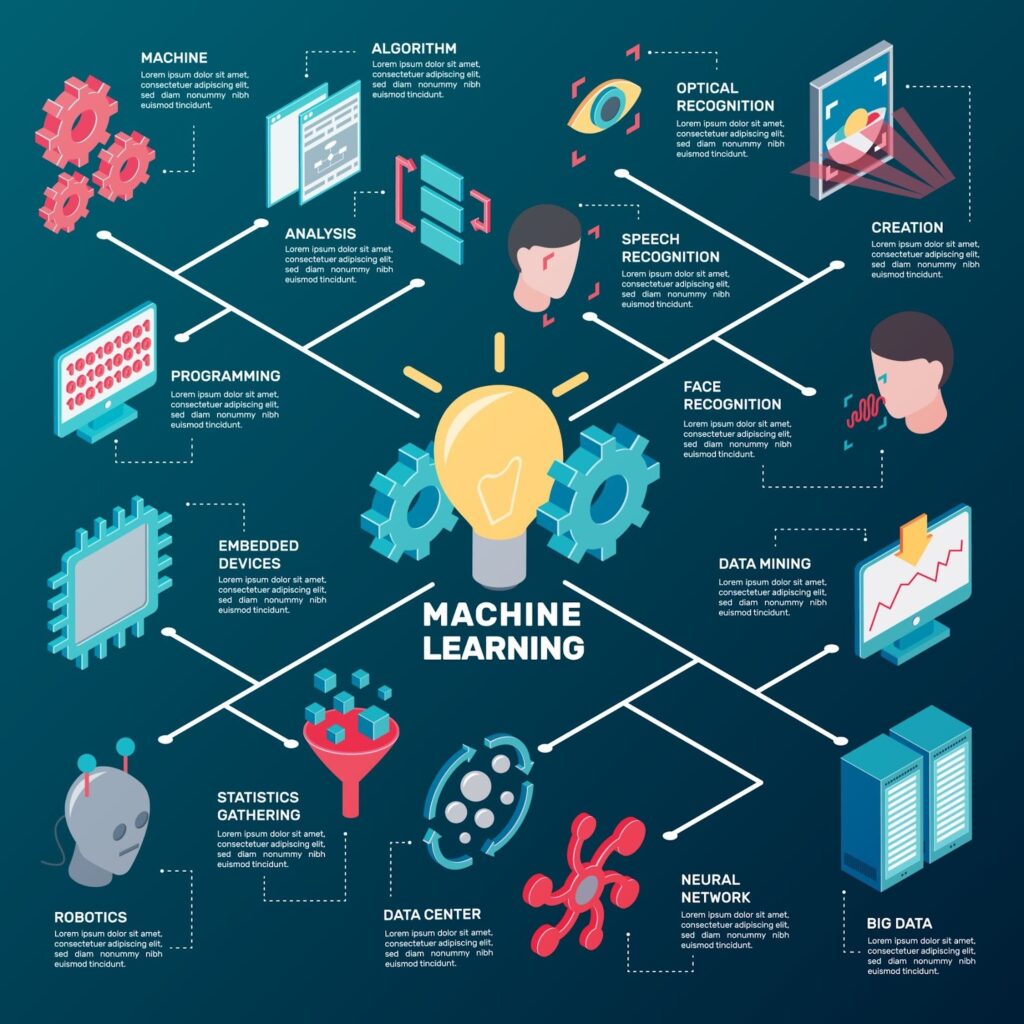
The question, though, is how? How are these systems becoming so intuitive that they’re almost second nature to us? And what does this mean for the future of user experience (UX) design?
In this article, we’ll dive into the mechanics of user behavior prediction models through ML, explore how the latest advancements are reshaping digital design, and, of course, grapple with the ethical considerations that come with designing for the future.
The Magic Behind the Curtain: What is Predictive User Behavior?
At its heart, predictive user behavior is about anticipation. Imagine sitting across from a close friend who knows you so well that they finish your sentences. In the digital world, ML algorithms are becoming that friend—they observe, learn, and predict your next move. Whether it’s an e-commerce site design recommending products based on your shopping habits, or a streaming service curating playlists to match your mood, predictive systems are engineered to reduce friction, offer value, and create seamless ML-based user journeys design.
But how does this magic happen?
Predictive user behavior leverages vast amounts of historical user data to forecast future actions. This involves sifting through purchase histories, browsing patterns, clicks, and even hesitations (yes, the time you lingered over a product page is telling). Machine learning algorithms, such as decision trees, neural networks, and k-means clustering, analyze these behaviors, finding patterns and trends that help predict what a user is most likely to do next
The real beauty of this is in the nuance. It’s not just about understanding what a user did—it’s about predicting what they will do. This anticipatory capability elevates user experience, transforming reactive interfaces into adaptive systems powered by predictive analytics in Web design.
How ML-Driven Predictions Are Shaping Design
The interplay between predictive algorithms and UX design is perhaps one of the most exciting developments for digital products today. For designers, this means rethinking the user journey as less of a linear path and more of an adaptive, ever-evolving interaction between the user and the system.
1. Personalization at Scale
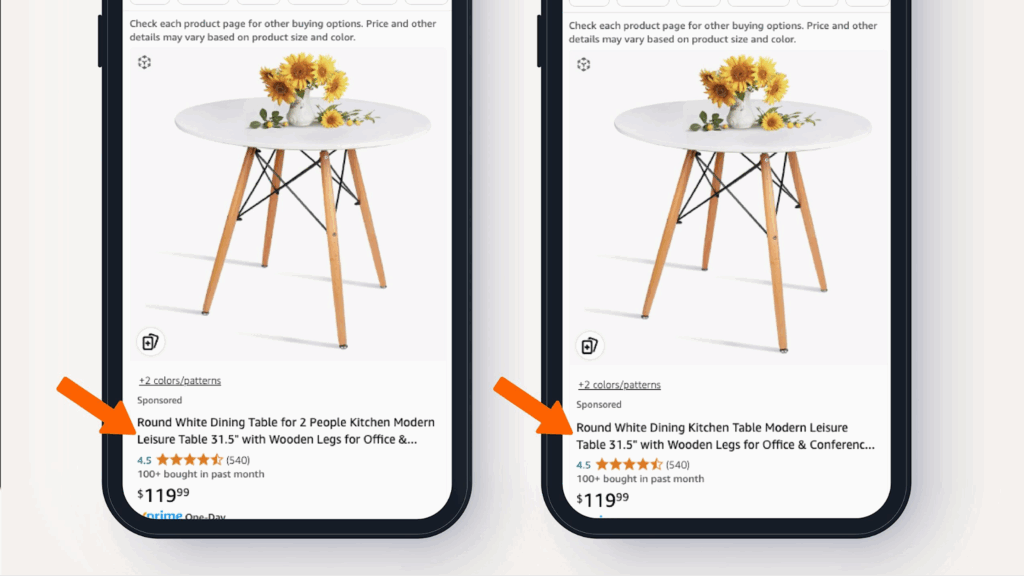
Let’s start with personalization, the holy grail of modern UX. Predictive ML in UX allows for personalization on an entirely new scale. Gone are the days of broad user segments. Today, predictive models can tailor content and interfaces to individual users with unparalleled accuracy.
Think about Amazon’s recommendation engine—it doesn’t just suggest products based on general trends; it curates based on your specific browsing history, past purchases, and even what other users with similar patterns have bought
This level of personalization creates a more engaging, intuitive user experience. For designers, it means building systems that can dynamically change based on user input, evolving as the user interacts. This fluidity challenges traditional static UI/UX design principles, requiring a more flexible, modular approach to UX.
2. Anticipatory Interfaces
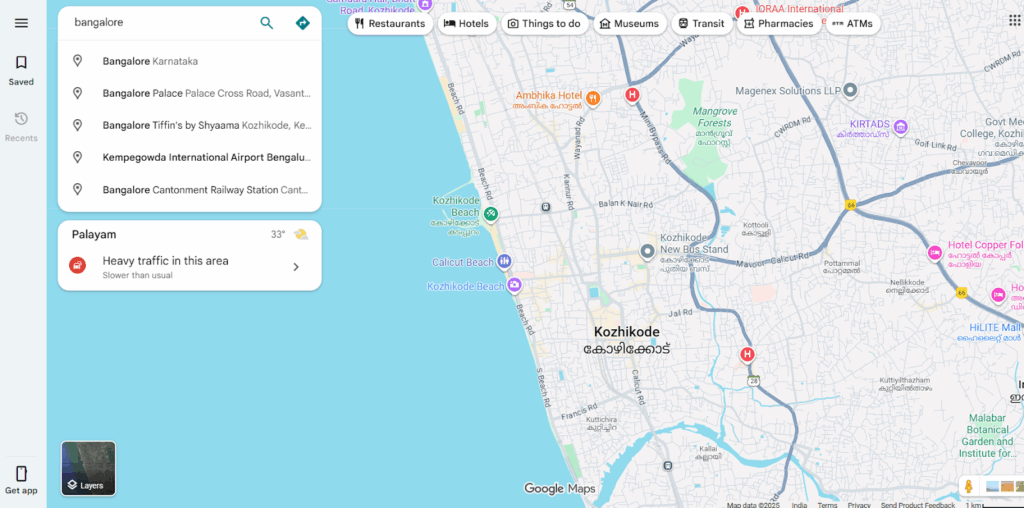
Predictive ML also paves the way for anticipatory design, where systems make decisions on behalf of the user, reducing cognitive load and streamlining processes. For instance, Google Maps can predict the best time to leave for a destination based on traffic patterns, while a well-designed e-commerce platform might suggest a reorder when it anticipates you’ll run out of a favorite product. These systems are not only predictive but also preemptive, delivering information just when the user needs it.
From a design perspective, anticipatory interfaces demand a deep understanding of user behavior combined with real-time adaptability. Designers must think beyond traditional interaction points and explore how a system can proactively guide users through their journey, subtly nudging them toward desired actions without overwhelming them with choices.
The Designer’s Role in Shaping Predictive ML in UX
Designers often see themselves as the architects of user experiences, but in the world of predictive design, their role becomes more like that of a sculptor. They don’t just design a one-size-fits-all experience, they sculpt the user journey in real time, constantly adapting and refining the touchpoints based on predictive insights.
1. Data-Informed Design
Data is the cornerstone of predictive ML, but not just any data—meaningful data. Designers need to collaborate closely with data scientists and product teams to ensure the right data is being collected, cleaned, and used to inform the UI/UX design process. This is where understanding user personas and behavior patterns become critical. We’re no longer designing based on intuition or past experiences alone; we’re designing based on precise, actionable insights that allow us to predict and guide user behavior.
For instance, if a fitness app shows that users frequently abandon workouts midway, designers can use this data to tweak the interface or even introduce prompts that encourage users to stay motivated. This kind of data-informed design as shown in the image below allows us to close the gap between user intent and action, reducing drop-offs and improving engagement.
2. Balancing Automation with User Control
While predictive systems excel at automation, there’s a fine line between helpful and overbearing. Users still want to feel in control of their experiences, even when systems are predicting their next steps. This means designers must carefully balance automation with user control, providing options for users to opt in or out of certain predictions, and ensuring that the system doesn’t feel intrusive.
A great example of this balance can be found in Spotify’s music recommendation system.
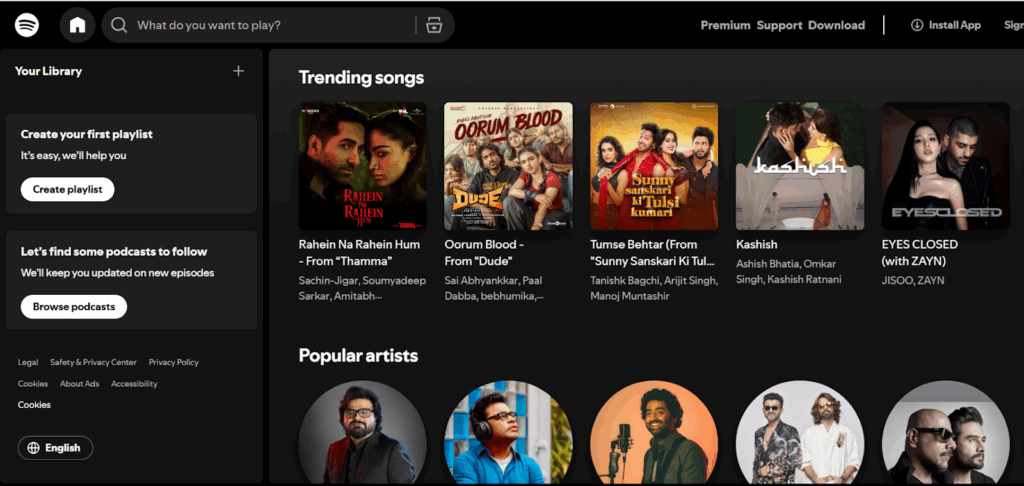
While the platform predicts your musical tastes with uncanny accuracy, it still allows you to explore outside the algorithm with features like “Discover Weekly” or “Radio,” giving users the best of both worlds—personalization and autonomy.
Ethical Considerations in Predictive Design
As exciting as predictive ML in UX is for shaping user behavior, it raises important ethical questions that designers must address. Predictive systems can easily cross the line from helpful to manipulative if not handled with care. Just because a system can predict what a user might do, doesn’t mean it should.
1. Bias in Algorithms
One of the biggest challenges in predictive ML is the presence of bias in algorithms. If the data used to train these algorithms is skewed or incomplete, the predictions can reinforce harmful stereotypes or exclude certain groups altogether. For instance, if an e-commerce site uses biased data to predict user behavior, it might show different products or price points based on a user’s demographic information, leading to unfair treatment
As designers, it’s your responsibility to advocate for fairness and transparency in these systems. This means working closely with data scientists to ensure the algorithms are being trained on diverse, representative data sets, and that the predictions are being monitored for unintended biases.
2. Transparency and Trust
Users need to trust that the systems they interact with have their best interests at heart. Predictive systems that are too opaque or manipulative can quickly erode that trust. Designers must ensure that users understand why certain predictions are being made and give them the ability to adjust or opt-out if they feel uncomfortable.
One way to foster transparency is by using explainable AI (XAI), a branch of AI that focuses on making machine learning models more interpretable for end-users. By giving users insight into how and why decisions are made, designers can build trust and create more ethical, user-centric systems
What’s Next for Predictive User Behavior?
The future of predictive user behavior with ML holds immense potential for innovation. We’re only scratching the surface of what’s possible, and as these systems continue to evolve, the relationship between user and machine will become more symbiotic. Predictive systems will not only anticipate needs but will likely evolve into companions that understand context, emotion, and intent on a deeper level.
But with this advancement comes the need for designers to remain vigilant. As much as we celebrate the convenience and personalization that predictive ML brings, we must also be mindful of the ethical implications and the responsibility we carry in shaping these experiences.
In the end, predictive user behavior isn’t just about technology; it’s about the intersection of data, design, and human experience. It’s about creating systems that are as intuitive as they are intelligent, as ethical as they are efficient. And most importantly, it’s about designing with the user’s best interests in mind—anticipating their needs without compromising their trust.
In a world that’s becoming more predictive by the day, the role of the designer is more critical than ever. Designers are the gatekeepers of these experiences, ensuring that the technology serves the user, and not the other way around. And that’s a future worth designing for.
Start by understanding your users
The key to effective personalization lies in deeply understanding your users’ needs and behaviors. Successful design solutions come from thorough research into how your users interact with your product, what frustrates them, and what they truly want. You need to understand their pain points, not just at the surface level, but by diving into the core issues they face during their interaction with your app or website.
But here’s the catch—no amount of personalization can improve a user experience that is fundamentally flawed. If users are struggling to navigate through a cluttered interface or finding it hard to access important information due to poor structure, personalization alone won’t solve these underlying issues. In cases like this, improving the app’s architecture and design flow is the real solution.
That’s where partnering with a professional UI/UX design agency comes into play. With our expertise, you can address these root problems, crafting experiences that not only satisfy users but keep them engaged.
Aufait UX can be your design partner, offering solutions that are grounded in solid UX research and tailored to your business needs. Reach out to us for a free consultation and discover how we can help transform your product into an intuitive, user-friendly experience.
Disclaimer: All images belong to rightful owners
FAQs on Predictive ML and UX Design
Predictive Machine Learning (ML) is the use of algorithms that analyze past user data to forecast future actions. In UX design, predictive ML helps anticipate user needs, optimize interfaces, and deliver personalized experiences in real time. It allows designers to create systems that adapt intelligently to behavior patterns and intent.
Predictive UX refers to user experiences shaped by predictive analytics and machine learning models. It enables digital products to respond proactively—showing relevant content, suggestions, or actions before the user explicitly asks. This makes interactions smoother, faster, and more intuitive, reducing friction throughout the user journey.
Predictive AI is a broader concept that includes all artificial intelligence systems capable of forecasting outcomes using data. Predictive ML, a subset of AI, specifically focuses on using machine learning algorithms to model patterns and predict behavior. In UX, predictive ML powers personalization, anticipatory interfaces, and adaptive content design.
Tools like Adobe Sensei, Figma’s AI Assist, Uizard, and Runway integrate predictive ML to assist in UX workflows. They help designers automate layouts, analyze user data, and prototype adaptive experiences. The best tool depends on your design process whether you focus on analytics, journey mapping, or predictive personalization.
Predictive ML in UX improves personalization by learning from user behavior, preferences, and interaction history. It dynamically adjusts interfaces, content, and recommendations to fit each individual’s context. This level of personalization via machine learning enhances engagement, satisfaction, and retention across digital products.
User behavior prediction models are ML algorithms that analyze behavioral data like clicks, session time, and navigation to forecast what users are likely to do next. In UX-driven applications, these models enable anticipatory interfaces that guide users seamlessly through the journey and deliver timely suggestions.
Anticipatory interfaces use predictive analytics to foresee user intent and take proactive action. They reduce decision fatigue by surfacing relevant options or automating steps before users even ask. Examples include Netflix’s show suggestions or Google Maps recommending departure times based on traffic history.
UX driven by predictive analytics combines real-time user data with ML algorithms to make design decisions. Instead of reacting to user input, the system predicts and preemptively optimizes experiences. This ensures a continuously refined interface where data, design, and intent work in harmony.
ML-based user journey design leverages machine learning insights to map, analyze, and optimize every stage of the user journey. By studying behavioral patterns, the system predicts drop-offs, identifies high-engagement points, and personalizes navigation paths to increase conversion and satisfaction.
Businesses can implement predictive ML in UX by integrating analytics tools, collecting meaningful user data, and collaborating between design and data science teams. Using platforms that support user behavior prediction models and personalization via machine learning, brands can craft adaptive, anticipatory, and emotionally resonant digital experiences.
Table of Contents